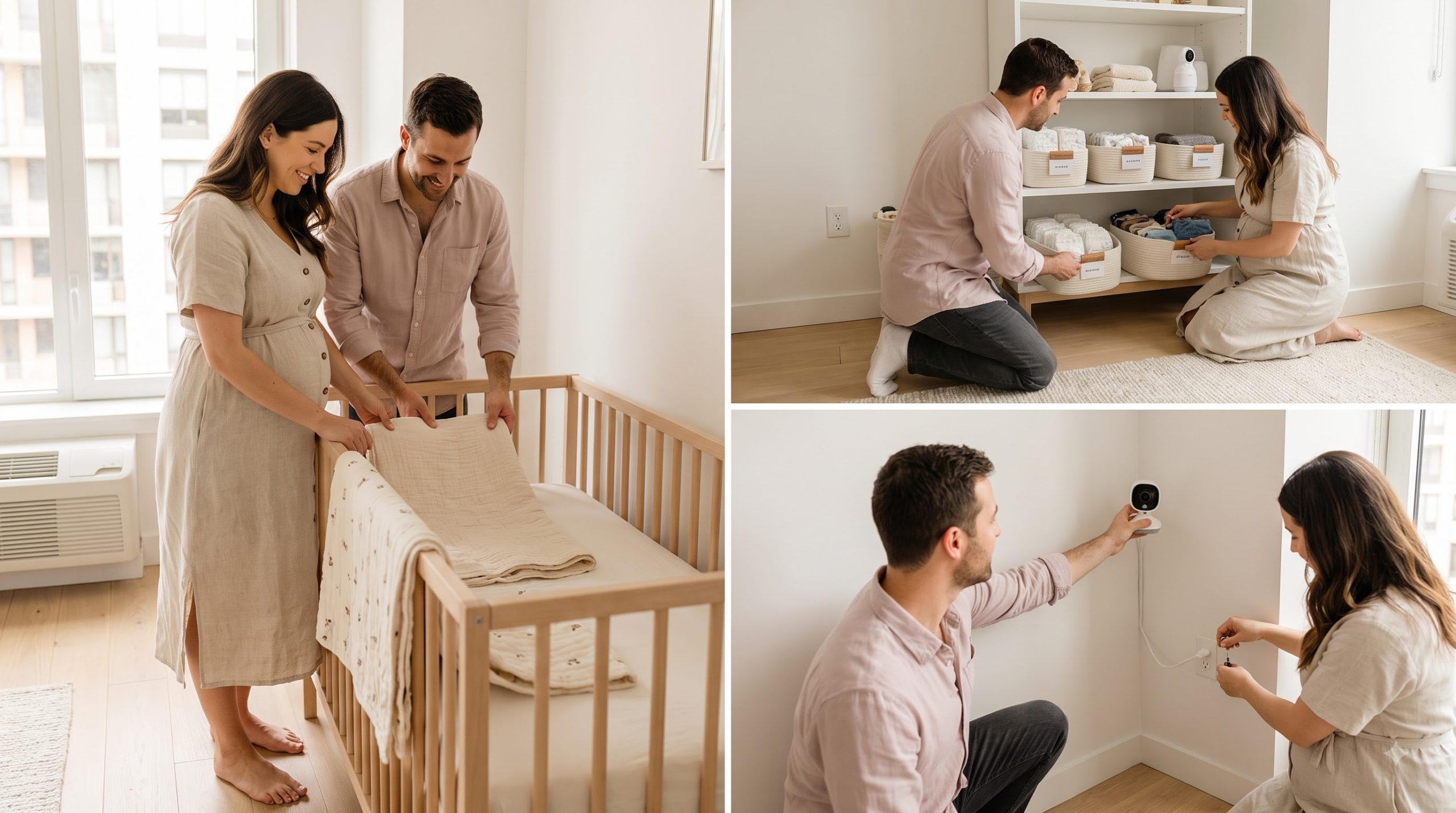
Life with a new baby brings many practical questions, and how to create a safe baby-friendly home before your baby arrives is one of the topics that can become easier when parents have a clear, realistic starting point. This guide focuses on everyday choices that can help families feel more confident without expecting perfection.
Every baby and family is different. Age, health, feeding method, temperament, recovery after birth, and the home environment can all affect what works. Use this article as general educational information and follow individualized advice from your healthcare professional when a health or safety concern applies.
Think About Safety Before Buying Products
Preparing a home is more useful than buying every product advertised for babies. Start with the areas your baby will actually use: sleeping, changing, bathing, feeding, and transportation.
Parents often become more comfortable with think about safety before buying products through repetition. Watch your baby’s signals and adjust the routine when something consistently causes discomfort or difficulty.
Safety matters more than convenience when think about safety before buying products. If your baby has a medical condition, feeding concern, unusual symptom, or developmental question, ask the appropriate healthcare professional for individualized guidance.
Prepare the Baby’s Sleep Area
A practical approach is to keep prepare the baby’s sleep area simple and predictable. Prepare what you need first, stay close to your baby, and focus on one task at a time.
Keep medicines, cleaning products, small objects, cords, and other hazards out of reach. Also check furniture for stability and consider hazards that will become relevant as your baby becomes mobile.
Safety matters more than convenience when prepare the baby’s sleep area. If your baby has a medical condition, feeding concern, unusual symptom, or developmental question, ask the appropriate healthcare professional for individualized guidance.
Make Changing Areas Practical
A practical approach is to keep make changing areas practical simple and predictable. Prepare what you need first, stay close to your baby, and focus on one task at a time.
Parents often become more comfortable with make changing areas practical through repetition. Watch your baby’s signals and adjust the routine when something consistently causes discomfort or difficulty.
Practice routines before the baby arrives. Knowing where diapers, clothes, feeding supplies, and important contact information are kept can make tired moments safer and easier.
Check Bathing and Water Safety
A practical approach is to keep check bathing and water safety simple and predictable. Prepare what you need first, stay close to your baby, and focus on one task at a time.
Parents often become more comfortable with check bathing and water safety through repetition. Watch your baby’s signals and adjust the routine when something consistently causes discomfort or difficulty.
Safety matters more than convenience when check bathing and water safety. If your baby has a medical condition, feeding concern, unusual symptom, or developmental question, ask the appropriate healthcare professional for individualized guidance.
Create Safe Floor-Level Spaces
A practical approach is to keep create safe floor-level spaces simple and predictable. Prepare what you need first, stay close to your baby, and focus on one task at a time.
Parents often become more comfortable with create safe floor-level spaces through repetition. Watch your baby’s signals and adjust the routine when something consistently causes discomfort or difficulty.
Safety matters more than convenience when create safe floor-level spaces. If your baby has a medical condition, feeding concern, unusual symptom, or developmental question, ask the appropriate healthcare professional for individualized guidance.
Secure Household Hazards
A practical approach is to keep secure household hazards simple and predictable. Prepare what you need first, stay close to your baby, and focus on one task at a time.
Parents often become more comfortable with secure household hazards through repetition. Watch your baby’s signals and adjust the routine when something consistently causes discomfort or difficulty.
Safety matters more than convenience when secure household hazards. If your baby has a medical condition, feeding concern, unusual symptom, or developmental question, ask the appropriate healthcare professional for individualized guidance.
Organize Medicines and Cleaning Products
A practical approach is to keep organize medicines and cleaning products simple and predictable. Prepare what you need first, stay close to your baby, and focus on one task at a time.
Parents often become more comfortable with organize medicines and cleaning products through repetition. Watch your baby’s signals and adjust the routine when something consistently causes discomfort or difficulty.
Safety matters more than convenience when organize medicines and cleaning products. If your baby has a medical condition, feeding concern, unusual symptom, or developmental question, ask the appropriate healthcare professional for individualized guidance.
Prepare for Safe Transportation
A practical approach is to keep prepare for safe transportation simple and predictable. Prepare what you need first, stay close to your baby, and focus on one task at a time.
Parents often become more comfortable with prepare for safe transportation through repetition. Watch your baby’s signals and adjust the routine when something consistently causes discomfort or difficulty.
Safety matters more than convenience when prepare for safe transportation. If your baby has a medical condition, feeding concern, unusual symptom, or developmental question, ask the appropriate healthcare professional for individualized guidance.
Plan for Pets and Visitors
A practical approach is to keep plan for pets and visitors simple and predictable. Prepare what you need first, stay close to your baby, and focus on one task at a time.
Parents often become more comfortable with plan for pets and visitors through repetition. Watch your baby’s signals and adjust the routine when something consistently causes discomfort or difficulty.
Safety matters more than convenience when plan for pets and visitors. If your baby has a medical condition, feeding concern, unusual symptom, or developmental question, ask the appropriate healthcare professional for individualized guidance.
Practice Everyday Routines
A practical approach is to keep practice everyday routines simple and predictable. Prepare what you need first, stay close to your baby, and focus on one task at a time.
Parents often become more comfortable with practice everyday routines through repetition. Watch your baby’s signals and adjust the routine when something consistently causes discomfort or difficulty.
Safety matters more than convenience when practice everyday routines. If your baby has a medical condition, feeding concern, unusual symptom, or developmental question, ask the appropriate healthcare professional for individualized guidance.
Review the Home Again After Baby Arrives
A practical approach is to keep review the home again after baby arrives simple and predictable. Prepare what you need first, stay close to your baby, and focus on one task at a time.
Parents often become more comfortable with review the home again after baby arrives through repetition. Watch your baby’s signals and adjust the routine when something consistently causes discomfort or difficulty.
Safety matters more than convenience when review the home again after baby arrives. If your baby has a medical condition, feeding concern, unusual symptom, or developmental question, ask the appropriate healthcare professional for individualized guidance.
Think in Stages
Baby-proofing is not completed in one weekend. A newborn who spends most of the day in a crib or in an adult’s arms has different safety needs from a baby who crawls. Review the home whenever a new movement skill appears. Look again at furniture, cords, small objects, stairs, windows, doors, and places where a curious baby could become trapped or reach something dangerous.
Keep Emergency Information Accessible
Store important healthcare contacts and emergency information where both parents or caregivers can find them. Know the location of basic first-aid supplies and understand how to respond to common household emergencies. The goal is not to expect problems, but to reduce confusion if something unexpected happens. Make sure caregivers know the baby’s healthcare provider and any important medical information.
Avoid Unsafe Sleep Shortcuts
Products marketed as sleep positioners, inclined surfaces, or soft nests may look convenient, but convenience should never replace established safe-sleep practices. Use a sleep surface designed for infants and follow current guidance from reputable pediatric and public-health authorities. Keep the sleep area free from loose objects and use the baby’s normal safe-sleep position every time.
Frequently Asked Questions
What is the most important thing to remember?
Keep the routine simple, stay attentive to your baby’s individual needs, and put safety first. You do not need to do everything perfectly for a routine to be useful.
Do I need special products?
Start with practical essentials and choose products based on safety and genuine usefulness. A large collection of baby products is not necessary for good everyday care.
When should I ask a healthcare professional?
Ask for professional advice when something is severe, persistent, suddenly different, worsening, or affecting feeding, breathing, hydration, alertness, or normal behavior. Seek urgent care for emergencies.
Final Thoughts
The early months are a learning period for both babies and parents. Focus on safe, repeatable routines and give yourself time to become comfortable with them. Reliable guidance and asking for help when needed are more valuable than trying to follow every piece of advice online.
Related TinySteps Guides
Continue exploring these related guides:
- How to Bathe a Newborn Safely: A Step-by-Step Guide for New Parents
- When Do Babies Start Smiling, Rolling, and Reaching? A Milestone Guide
For more practical guidance, explore our baby care guides.