Foods to Avoid During Pregnancy: A Practical Safety Guide
Introduction
Pregnancy nutrition is not about creating a long list of foods that you can never enjoy. It is mainly about reducing avoidable risks while giving your body and developing baby the nutrients needed for a healthy pregnancy. Foodborne infections, mercury exposure, alcohol, and excessive caffeine are among the areas that deserve special attention.
Food-safety recommendations can differ slightly between countries, so use guidance from your healthcare provider or local public-health authority. The most useful approach is to understand the reason behind each recommendation and choose practical alternatives.
Raw and Undercooked Foods
Raw or undercooked meat, poultry, seafood, and eggs can carry harmful microorganisms. During pregnancy, infections that might be mild in another adult can sometimes cause more serious complications.
Cook meat thoroughly and follow safe handling practices. Use separate cutting boards or utensils for raw meat and ready-to-eat foods when possible, wash hands after handling raw ingredients, and clean kitchen surfaces carefully.
Eggs should be cooked until the whites and yolks are firm unless you are using a product specifically made with pasteurized eggs. Avoid foods made with raw egg when you cannot verify that the eggs have been safely treated.
Unpasteurized Milk and Dairy Products
Unpasteurized milk and products made from it can carry bacteria that may cause foodborne illness. During pregnancy, choose pasteurized milk, yogurt, cheese, and other dairy products.
Read labels carefully, particularly when buying soft cheeses or products from farmers’ markets. If you are unsure whether a product is pasteurized, check the packaging or ask the seller rather than guessing.
Dairy can still be an important part of a pregnancy diet because it can provide protein, calcium, and other nutrients. The goal is to choose safer versions rather than avoid dairy altogether.
Fish and Mercury
Fish can be an excellent source of protein and omega-3 fatty acids, and many pregnancy nutrition guidelines encourage eating lower-mercury varieties. The important distinction is that not all fish contain the same mercury levels.
Follow current local recommendations about which fish to choose and which large predatory fish to limit or avoid. Cook seafood thoroughly and avoid raw seafood when food-safety risks cannot be controlled.
If you eat fish regularly, variety can help reduce repeated exposure to any one contaminant while providing a broader range of nutrients.
Alcohol and Caffeine
The safest choice during pregnancy is to avoid alcohol. Alcohol crosses the placenta, and there is no established amount that can be guaranteed to be safe during pregnancy.
Caffeine should also be limited. Remember that caffeine is found not only in coffee but also in tea, cola, energy drinks, chocolate, and some medications. Check labels and discuss your intake with your healthcare provider, especially if you consume several caffeinated products each day.
If you want a warm drink, consider caffeine-free alternatives that are known to be appropriate during pregnancy. Herbal products should still be checked because natural does not automatically mean pregnancy-safe.
Safe Food Storage
Food safety continues after cooking. Refrigerate perishable foods promptly, keep your refrigerator cold, follow package storage instructions, and avoid eating foods that have been left at unsafe temperatures for extended periods.
Wash fruits and vegetables thoroughly under running water. Keep raw meat separate from ready-to-eat foods and wash hands, knives, boards, and counters after preparing raw ingredients.
When eating outside the home, choose restaurants with good hygiene practices and foods that are freshly cooked and served hot. If something looks or smells questionable, choose another option.
Building a Balanced Pregnancy Plate
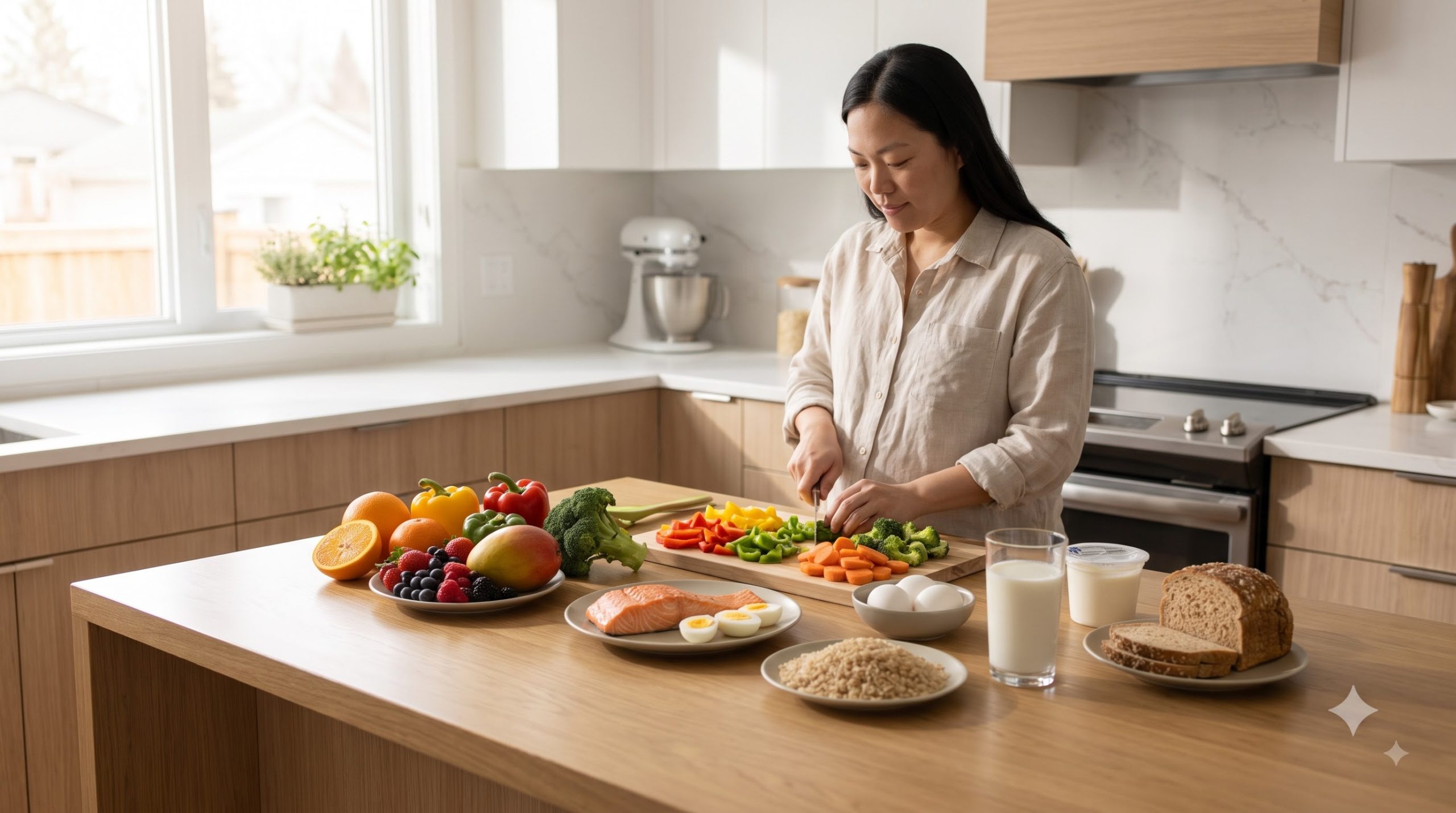
A safe pregnancy diet can still be varied and enjoyable. Try combining vegetables and fruit with whole grains, beans, lentils, thoroughly cooked eggs, lean meat, lower-mercury fish, pasteurized dairy, nuts, seeds, and healthy fats.
Instead of focusing only on what to avoid, think about what you can add. A balanced plate provides protein, fiber, vitamins, minerals, and energy while helping meals remain satisfying.
If you have diabetes, anemia, severe nausea, food allergies, or another health condition, ask your healthcare team for individualized nutrition advice.
FAQ
Can I eat fish during pregnancy? Yes. Lower-mercury fish can provide valuable nutrients, but follow current local recommendations.
Can I eat sushi? Raw seafood can carry foodborne risks, so cooked seafood is generally the safer choice during pregnancy.
Can I drink coffee? Caffeine should be limited. Check your total daily intake from all sources.
Is alcohol safe in small amounts? The safest recommendation is to avoid alcohol during pregnancy.
Do I need to avoid all soft cheese? Check whether the product is pasteurized and follow current food-safety guidance.
Related TinySteps articles: Pregnancy Nutrition · Safe Exercises During Pregnancy · First Prenatal Visit
Image prompt: Healthy pregnancy meal preparation scene in a modern Vietnamese kitchen, colorful vegetables, fresh fruit, thoroughly cooked fish, eggs, whole grains and pasteurized dairy arranged neatly, pregnant Vietnamese woman preparing food in background, bright natural daylight, clean editorial food photography, photorealistic, 16:9, no text, no watermark.
Image ALT text: Healthy pregnancy foods prepared in a modern kitchen.
Medical note: This article is for general educational purposes and does not replace individualized medical advice. Contact a qualified healthcare professional for personal concerns.