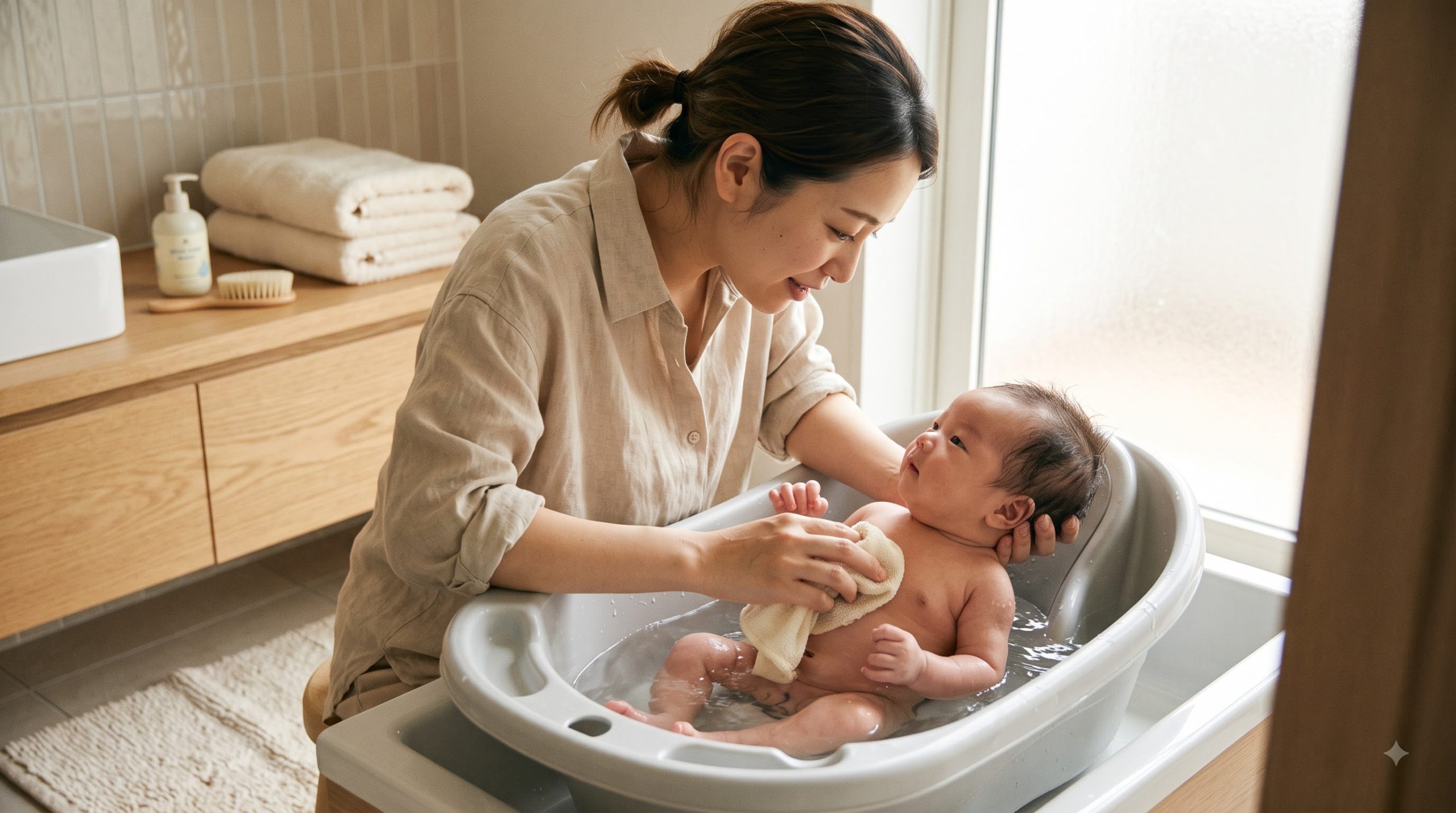
Newborn Bathing Guide: How Often and How to Bathe Your Baby
Bathing a newborn can look intimidating at first, but it does not need to be complicated. A safe setup, warm environment, a few basic supplies, and continuous adult attention are more important than having a large collection of baby products.
How Often
Most newborns do not need a bath every day. A few baths each week may be enough for many babies, while the face, diaper area, and skin folds can be cleaned as needed.
A practical approach is to keep this part of your routine simple and repeatable. Your circumstances may differ from another family’s, so use the basic principle as a starting point and adapt it to your healthcare team’s advice, your baby’s needs, and your home situation.
Prepare First
Gather the infant bath, towel, clean diaper, clothes, and any gentle cleansing product before bringing the baby to the water. Never leave a baby alone near water, even for a moment.
A practical approach is to keep this part of your routine simple and repeatable. Your circumstances may differ from another family’s, so use the basic principle as a starting point and adapt it to your healthcare team’s advice, your baby’s needs, and your home situation.
Water and Room
Use comfortably warm water according to local child-safety guidance. Keep the room warm so the baby does not become chilled when undressed.
A practical approach is to keep this part of your routine simple and repeatable. Your circumstances may differ from another family’s, so use the basic principle as a starting point and adapt it to your healthcare team’s advice, your baby’s needs, and your home situation.
Supporting Baby
Keep your baby secure and support the head and neck appropriately for the bath setup. Move slowly and gently.
A practical approach is to keep this part of your routine simple and repeatable. Your circumstances may differ from another family’s, so use the basic principle as a starting point and adapt it to your healthcare team’s advice, your baby’s needs, and your home situation.
Skin Care
Newborn skin can be sensitive. Avoid heavily fragranced products if they irritate the skin. Ask your healthcare professional about persistent dryness, rash, or other concerns.
A practical approach is to keep this part of your routine simple and repeatable. Your circumstances may differ from another family’s, so use the basic principle as a starting point and adapt it to your healthcare team’s advice, your baby’s needs, and your home situation.
After Bath
Lift the baby securely, dry gently, pay attention to skin folds, put on a clean diaper, and dress the baby promptly.
A practical approach is to keep this part of your routine simple and repeatable. Your circumstances may differ from another family’s, so use the basic principle as a starting point and adapt it to your healthcare team’s advice, your baby’s needs, and your home situation.
Keep It Simple
Bath time does not need to be elaborate. A short, calm routine is often easier for both baby and parent.
A practical approach is to keep this part of your routine simple and repeatable. Your circumstances may differ from another family’s, so use the basic principle as a starting point and adapt it to your healthcare team’s advice, your baby’s needs, and your home situation.
Simple Tips That Make Everyday Life Easier
New parents often benefit from preparing small systems rather than trying to remember everything. Keep frequently used supplies together, write down questions for appointments, and ask for help when a task feels unnecessarily difficult. A simple routine can reduce mental load during a period when sleep and energy may be unpredictable.
It is also useful to distinguish between information that is reassuring and information that requires action. Parenting advice online can be contradictory. For medical or safety questions, prioritize your baby’s healthcare professional, your maternity team, the product manufacturer’s instructions, and established public-health guidance.
When to Contact a Healthcare Professional
General advice cannot account for every pregnancy, birth, baby, or family situation. Contact a qualified healthcare professional when symptoms are persistent, severe, unusual for you or your baby, or when you have been specifically told to monitor something. If you believe there is an emergency, use your local emergency medical service rather than waiting for an online answer.
FAQ
Does a newborn need a bath every day?
Usually not. A few baths each week may be enough for many babies.
What if my baby cries during a bath?
Keep the room warm, move calmly, and keep the bath brief. You can try again later.
Can I leave the baby for a second?
No. Stay within immediate reach for the entire bath.
Internal Link Suggestions
Consider linking this article to relevant TinySteps guides about pregnancy, newborn feeding, newborn sleep, newborn care, hospital preparation, and postpartum recovery. Replace the example links with your live TinySteps URLs before publishing.