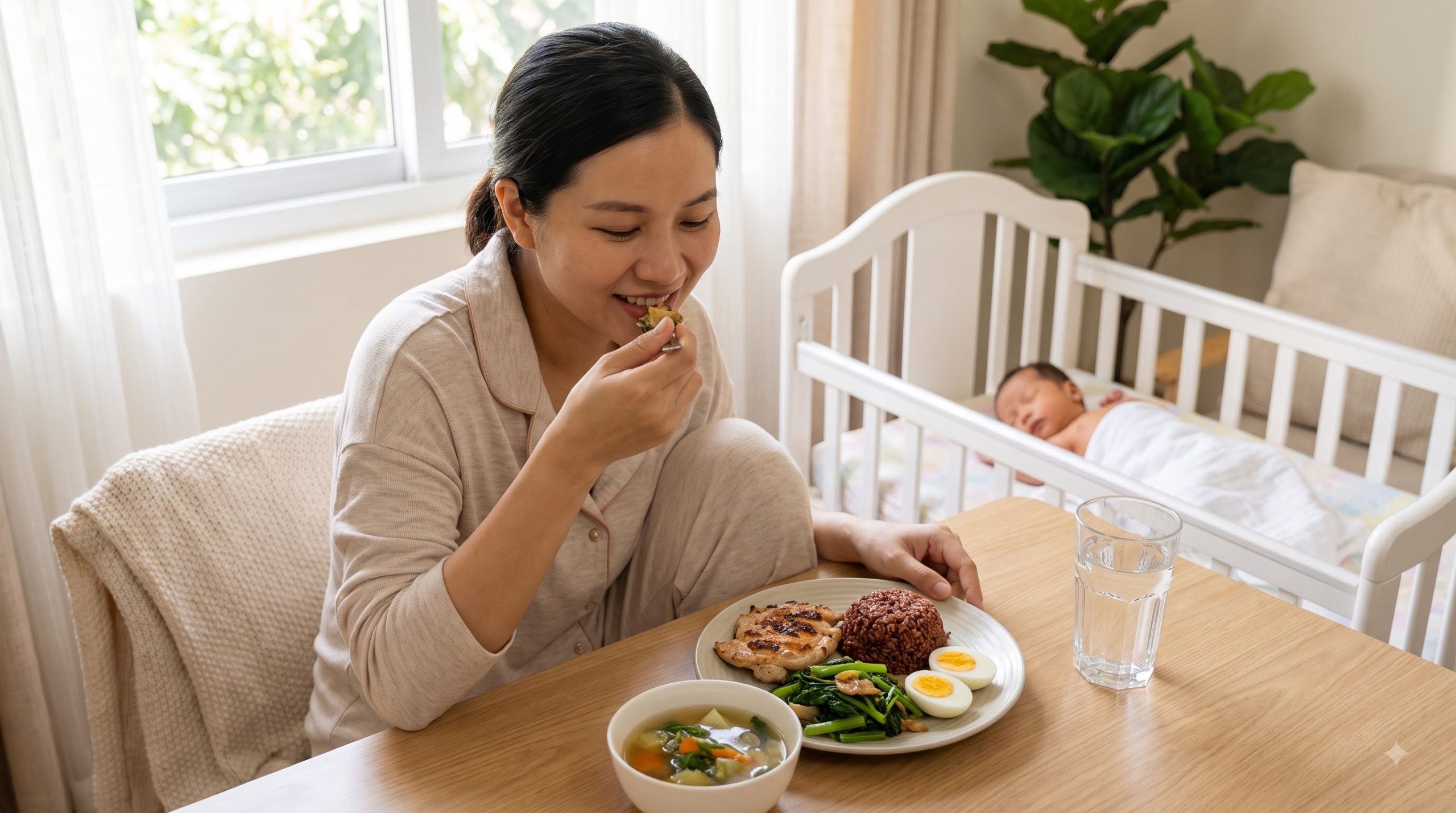
Postpartum Nutrition: What to Eat After Giving Birth
Introduction
The weeks after childbirth are a period of recovery, adjustment, and constant change. Your body has gone through pregnancy and birth, and you may also be breastfeeding, pumping, recovering from surgery, or managing broken sleep.
Nutritious food is not a luxury during this stage. Regular meals and snacks can support energy, tissue repair, digestion, and general well-being. You do not need a perfect diet. The most useful goal is to make nourishing food easy to access when you are tired.
Protein for Recovery
Protein provides amino acids needed for tissue repair and normal body function. Useful sources include eggs, poultry, fish, lean meat, beans, lentils, tofu, yogurt, milk, nuts, and seeds.
Try adding a protein source to each main meal. For example, oatmeal can be paired with yogurt and nuts, rice can be served with eggs and vegetables, and soup can include beans, lentils, chicken, or tofu.
Convenience matters. Hard-boiled eggs, yogurt cups, roasted nuts, hummus, cheese, and prepared beans can make it easier to eat protein when you have little time.
Iron and Postpartum Recovery
Blood loss during childbirth can contribute to low iron levels, especially if you already had anemia during pregnancy. Iron-rich foods include lean meat, beans, lentils, spinach, tofu, fortified cereals, and other iron-containing foods.
Vitamin C from fruits and vegetables can help the body absorb iron from plant foods. Examples include citrus fruit, berries, tomatoes, bell peppers, and broccoli.
If your healthcare provider prescribed an iron supplement, take it according to their instructions. Do not assume that diet alone will correct significant anemia.
Fiber and Fluids
Constipation is common after birth, particularly after surgery, with reduced activity, dehydration, or certain medications. Fiber-rich foods such as fruit, vegetables, beans, lentils, oats, whole grains, nuts, and seeds can support regular bowel movements.
Fluids matter too. Keep a bottle of water near your usual feeding or resting place. Soups, milk, yogurt, fruit, and vegetables can also contribute to total fluid intake.
If constipation is painful, severe, or persistent, ask your healthcare provider about safe treatment rather than suffering silently.
Healthy Fats and Breastfeeding
Healthy fats from avocado, olive oil, nuts, seeds, nut butters, and appropriate fish can contribute energy and important nutrients. If breastfeeding, your overall nutritional needs are higher, although exact requirements vary.
You generally do not need to eliminate large categories of food while breastfeeding unless you or your baby has a medically identified issue. If a baby consistently has concerning symptoms associated with feeding, discuss them with a pediatrician rather than removing many foods on your own.
Keep water nearby while breastfeeding and drink according to thirst.
Easy Postpartum Meals
New parents benefit from meals that require little preparation. Overnight oats with fruit and nuts, yogurt with berries, eggs on whole-grain toast, lentil soup, chicken and vegetable bowls, bean burritos, rice with vegetables and cooked fish, and smoothies can be practical choices.
Prepare extra portions when possible and freeze individual servings. Ask family members or friends to bring complete meals rather than only snacks.
It is also reasonable to use convenient supermarket foods. Frozen vegetables, canned beans, prewashed greens, whole-grain bread, and prepared rotisserie chicken can reduce workload while still supporting a balanced diet.
Weight Loss and Body Changes
Your body needs time to recover after birth. Rapid dieting can make recovery harder and may be particularly unhelpful when breastfeeding.
Focus first on regular meals, hydration, sleep when possible, gentle movement when medically cleared, and recovery. Your healthcare provider can advise you about postpartum weight management based on your health, birth experience, and feeding method.
There is no single correct postpartum body shape or timeline. Recovery is individual.
FAQ
What should I eat after giving birth? Aim for varied meals containing protein, vegetables, fruit, whole grains, healthy fats, and adequate fluids.
Do breastfeeding mothers need more food? Breastfeeding increases nutritional demands, but exact needs vary.
What foods help constipation? Fiber-rich foods and adequate fluids can help support normal bowel function.
Should I take iron after birth? Only if recommended based on your individual needs; follow your healthcare provider’s instructions.
Should I start dieting immediately? Early recovery and adequate nutrition should generally take priority over rapid weight loss.
Related TinySteps articles: Postpartum Recovery · Postpartum Mental Well-Being