What to Pack in Your Hospital Bag: A Complete Checklist
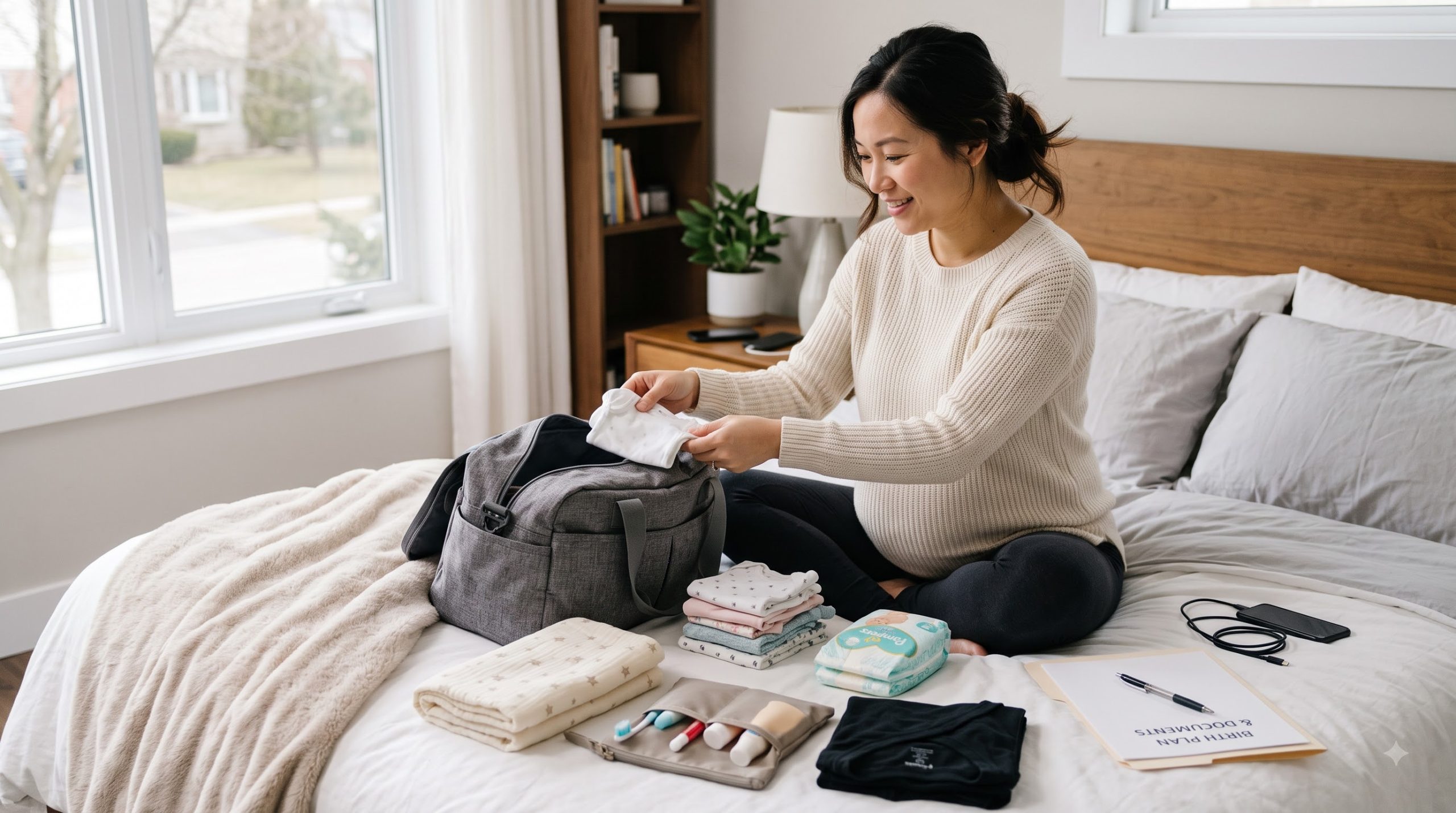
Preparing a hospital bag is one of those pregnancy tasks that can turn a vague feeling of “the baby could come any time” into a practical plan. The goal is not to pack everything you own. It is to have a small collection of useful items ready for labor, recovery, feeding, communication, and your baby’s journey home.
When to Pack
Many families begin collecting items several weeks before the estimated due date. You do not need to predict the exact day labor will start. The goal is simply to make the essentials easy to find if you need to leave home quickly. If your healthcare team has told you that an earlier delivery is possible, prepare according to their advice.
A practical approach is to keep this part of your routine simple and repeatable. Your circumstances may differ from another family’s, so use the basic principle as a starting point and adapt it to your healthcare team’s advice, your baby’s needs, and your home situation.
For the Birthing Parent
Choose loose, comfortable clothing that is easy to change. Useful items can include pajamas, a robe, comfortable underwear, socks or slippers, a nursing-friendly top if desired, and a going-home outfit that is not tight around the abdomen. Pack familiar toiletries such as a toothbrush, toothpaste, lip balm, hair ties, and any personal products you normally use.
A practical approach is to keep this part of your routine simple and repeatable. Your circumstances may differ from another family’s, so use the basic principle as a starting point and adapt it to your healthcare team’s advice, your baby’s needs, and your home situation.
For Labor and Comfort
Comfort preferences vary widely. A phone, long charging cable, headphones, water bottle, eye mask, and a small pillow can be useful. Ask the hospital whether personal heating devices, scented products, candles, or other comfort items are allowed.
A practical approach is to keep this part of your routine simple and repeatable. Your circumstances may differ from another family’s, so use the basic principle as a starting point and adapt it to your healthcare team’s advice, your baby’s needs, and your home situation.
For Baby
Bring a few simple outfits, diapers and wipes if your hospital asks you to provide them, and a blanket appropriate for the trip home. Avoid packing a large wardrobe. Babies may wear only a few outfits during a short stay.
A practical approach is to keep this part of your routine simple and repeatable. Your circumstances may differ from another family’s, so use the basic principle as a starting point and adapt it to your healthcare team’s advice, your baby’s needs, and your home situation.
Documents and Logistics
Keep identification, insurance information where applicable, medical records, medication information, and important phone numbers together. Make sure your support person knows where the bag is and how to contact the maternity unit.
A practical approach is to keep this part of your routine simple and repeatable. Your circumstances may differ from another family’s, so use the basic principle as a starting point and adapt it to your healthcare team’s advice, your baby’s needs, and your home situation.
The Car Seat
If your baby will travel home by car, install the appropriate rear-facing infant car seat before the due date. Read both the vehicle and car-seat manuals. If an inspection service is available locally, consider having the installation checked.
A practical approach is to keep this part of your routine simple and repeatable. Your circumstances may differ from another family’s, so use the basic principle as a starting point and adapt it to your healthcare team’s advice, your baby’s needs, and your home situation.
What Not to Overpack
Hospitals often provide some basic supplies. Check your own hospital’s list before buying duplicates. Expensive gadgets, many outfits, large blankets, and excessive toiletries can make the bag heavier without making the stay easier.
A practical approach is to keep this part of your routine simple and repeatable. Your circumstances may differ from another family’s, so use the basic principle as a starting point and adapt it to your healthcare team’s advice, your baby’s needs, and your home situation.
Simple Tips That Make Everyday Life Easier
New parents often benefit from preparing small systems rather than trying to remember everything. Keep frequently used supplies together, write down questions for appointments, and ask for help when a task feels unnecessarily difficult. A simple routine can reduce mental load during a period when sleep and energy may be unpredictable.
It is also useful to distinguish between information that is reassuring and information that requires action. Parenting advice online can be contradictory. For medical or safety questions, prioritize your baby’s healthcare professional, your maternity team, the product manufacturer’s instructions, and established public-health guidance.
When to Contact a Healthcare Professional
General advice cannot account for every pregnancy, birth, baby, or family situation. Contact a qualified healthcare professional when symptoms are persistent, severe, unusual for you or your baby, or when you have been specifically told to monitor something. If you believe there is an emergency, use your local emergency medical service rather than waiting for an online answer.
FAQ
When should I pack my hospital bag?
Many families prepare the basics during the later weeks of pregnancy. Follow your healthcare team’s advice if you have a higher chance of early delivery.
Do hospitals provide baby supplies?
Some do and some do not. Check your maternity unit’s current list before packing.
Do I need a birth plan?
A plan can communicate preferences, but labor can change. Treat it as a conversation guide rather than a guarantee.
Internal Link Suggestions
Consider linking this article to relevant TinySteps guides about pregnancy, newborn feeding, newborn sleep, newborn care, hospital preparation, and postpartum recovery. Replace the example links with your live TinySteps URLs before publishing.
Medical Disclaimer
This article is for general educational purposes only and is not medical advice. Pregnancy, newborn care, postpartum recovery, and safety recommendations can vary by individual circumstances and location. Follow the advice of your qualified healthcare professional and current local guidance.