Fitness tracking accuracy varies more between devices than most marketing suggests, and the right choice depends heavily on what you’re actually training for. This guide breaks down what to check by use case rather than by brand.
For runners and cyclists: GPS accuracy matters most
Look for reviews that specifically test GPS accuracy on routes with turns and elevation changes, not just straight-line distance — this is where meaningful differences between devices show up in practice.
For swimmers: check the water resistance rating carefully
A general water-resistance rating isn’t the same as being rated for swim tracking specifically — look for devices explicitly rated for swimming, which account for water pressure and the specific motion patterns of different swim strokes.
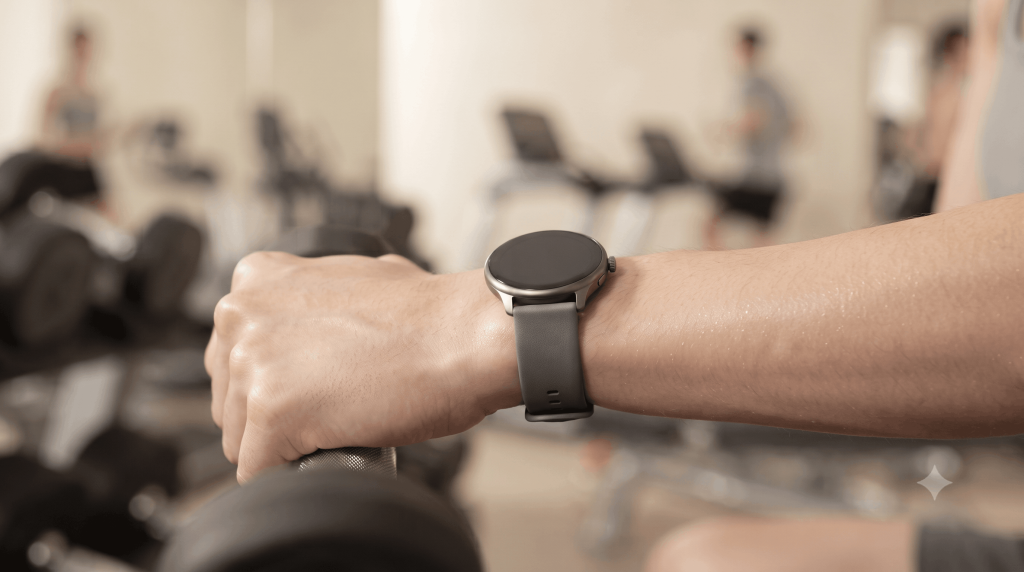
For strength training: rep-counting accuracy varies widely
Automatic rep counting for strength training is one of the least consistently accurate smartwatch features across the market — if this matters to you, look specifically for user reviews mentioning rep-counting accuracy for the exercises you actually do, rather than assuming all devices handle this equally well.
Heart rate accuracy during intervals
As covered in our fitness tracker buying guide, wrist-based heart rate sensors lose accuracy during rapid heart rate changes. If interval training accuracy is critical, plan to pair the smartwatch with a chest strap rather than relying on the wrist sensor alone.
Battery life vs feature trade-off
The more sensors and always-on features a smartwatch includes, the shorter its battery life will generally be. Decide whether always-on display and extensive sensor tracking are worth more frequent charging before choosing a heavily-featured model.
Frequently asked questions
Do I need a smartwatch specifically designed for multi-sport training?
Only if you regularly train across several different sports. If you focus on one activity (running, for example), a device optimized specifically for that sport often outperforms a generalist multi-sport smartwatch for that use case.