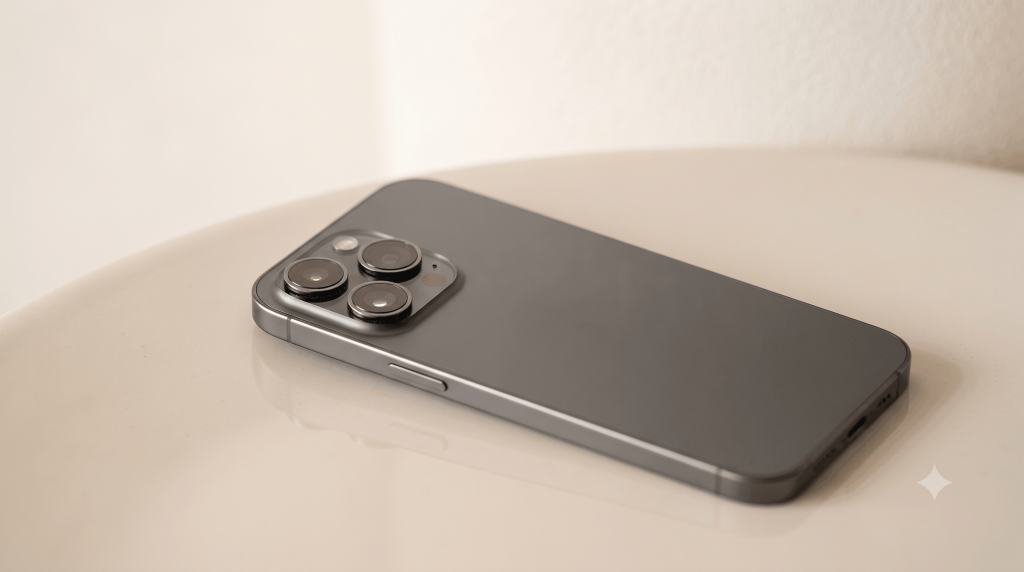
“Flagship” used to be a simple label: the most expensive phone a brand made. In 2026, the gap between flagship and mid-range phones has narrowed enough on paper that the label is less useful than actually understanding which specific features are worth paying a premium for. This guide breaks down what to check before spending flagship money.
Camera systems: what the numbers actually tell you
Megapixel count is one of the least useful numbers on a spec sheet. What matters more is sensor size (larger sensors gather more light, improving low-light photos), optical image stabilization on each lens, and whether the telephoto camera uses a true optical zoom or relies on digital cropping past a certain distance. A phone with a smaller megapixel count but a larger main sensor and optical stabilization will usually outperform a higher-megapixel competitor in real-world, non-daylight conditions.
Battery life and charging speed are two separate questions
A large battery capacity doesn’t guarantee good battery life — display efficiency and how aggressively the software manages background apps matter just as much. Look for independent battery life testing (screen-on-time under mixed use) rather than the manufacturer’s stated capacity in mAh. Charging speed is a separate spec worth checking independently: some flagships pair a large battery with slow charging, which matters if you tend to top up during the day rather than overnight.
Performance: when it matters, and when it doesn’t
For browsing, messaging, and social media, even a two-year-old flagship chipset is more than sufficient, and the performance difference between this year’s and last year’s flagship processor is rarely noticeable in daily use. The chipset matters most for sustained heavy tasks — gaming sessions longer than 20 minutes, or repeated 4K video export — where thermal management becomes the real differentiator, not raw benchmark scores.
Software support: the number that isn’t on the spec sheet
How many years of security updates and OS upgrades a manufacturer commits to has a bigger long-term impact on both security and resale value than almost any hardware spec. This information is usually published on the manufacturer’s support page rather than the retail spec sheet, so it’s worth checking directly before buying.
Do you actually need a flagship?
If your priorities are camera zoom quality, sustained gaming performance, or premium build materials, a flagship is the right category. If your actual daily use is messaging, browsing, and casual photography, a well-reviewed mid-range phone will cover nearly all of the same ground at a significantly lower price — worth confirming against your own habits before assuming you need the top tier.
Frequently asked questions
Is it worth buying last year’s flagship at a discount instead of this year’s model?
Often yes, especially if the year-over-year camera or chipset upgrade is incremental rather than significant. Check what specifically changed before assuming the newest model is worth the price difference.
Does a higher refresh rate display matter for battery life?
Higher refresh rate displays (120Hz and above) use more power, but adaptive refresh rate technology that scales down for static content has largely closed this gap. Confirm the display uses adaptive refresh rather than a fixed high refresh rate before assuming it will hurt battery life.